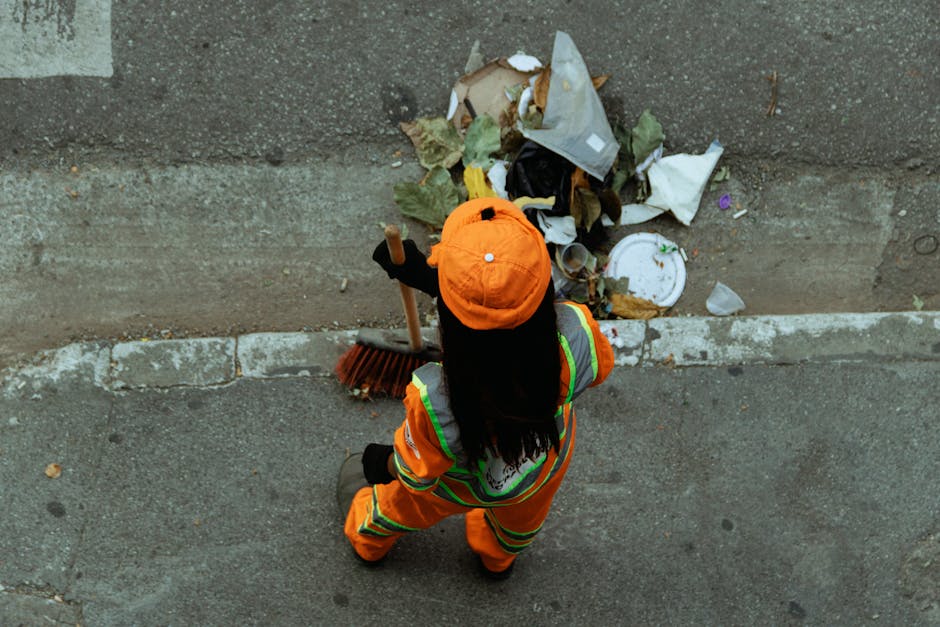
Kilburn Grange Park clean up and waste removal plan
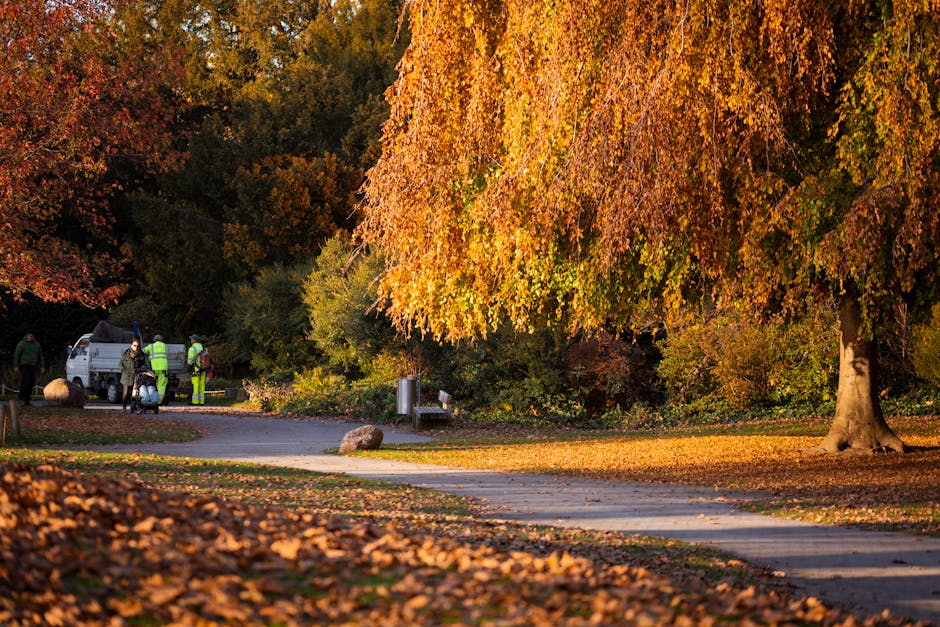
If you are looking at a littered path, fly-tipped bags, overgrown edges, or the aftermath of a busy community day, a proper Kilburn Grange Park clean up and waste removal plan makes all the difference. It is not just about making the place look neat for an hour or two. It is about restoring a park space so people can walk, sit, play, and breathe a little easier. In a place like Kilburn, where outdoor spaces matter so much, the process needs to be practical, tidy, and respectful of the park and the people using it.
This guide breaks down how a sensible clean up plan works, what to remove first, how to handle waste responsibly, and where professional support can help. You will also find a simple checklist, a comparison of removal methods, and a few honest tips that save time when the bins are already full and the clock is ticking.
Why Kilburn Grange Park clean up and waste removal plan Matters
A park clean up sounds simple until you actually stand there with a pile of mixed waste, a few awkward items, and a half-empty bag that smells like yesterday's rain. That is where a plan earns its keep. Kilburn Grange Park is the kind of shared space that gets used in lots of different ways: dog walks, family time, jogging routes, casual meet-ups, local events, and the odd quick sit-down when the weather behaves itself for once. If rubbish builds up, the whole experience changes.
A clear waste removal plan matters for three reasons. First, it helps the park feel welcoming again. Second, it reduces safety risks such as broken glass, trip hazards, or blocked pathways. Third, it makes disposal more efficient, which usually means less disruption and less waste going to the wrong place.
There is also a quieter benefit. When a clean up is organised properly, people tend to treat the space with a bit more care afterwards. Not always, of course. London parks have seen enough coffee cups and mystery bags to know better. But tidy spaces do influence behaviour, and you notice it after the first pass is done.
Expert summary: a strong clean up plan is less about brute force and more about sequence. Sort, separate, remove, recycle where possible, and leave the park safer than you found it.
How Kilburn Grange Park clean up and waste removal plan Works
The basic structure is straightforward, though the details matter. You begin by identifying the type of waste, the size of the job, and any access issues. A small litter pick after a community event needs a different approach from a larger clearance involving broken equipment, garden waste, or leftover bulky items.
In practice, the plan usually follows this shape:
- Inspect the site and identify waste types.
- Separate recyclable material from general rubbish.
- Set aside anything sharp, heavy, or hazardous.
- Collect and bag loose litter first.
- Remove bulky or awkward items next.
- Load waste for transport in a safe and organised way.
- Dispose of everything through the correct route.
That last step is where many people underestimate the work. It is easy to fill bags; it is less easy to know what should go where. For example, old furniture, damaged appliances, mixed building waste, and garden cuttings often need different handling. If a clean up includes office leftovers or confidential material, you may also need something like confidential shredding to keep sensitive papers out of general waste.
Professional waste teams often combine removal with sorting and responsible transfer, which saves time and reduces the risk of putting the wrong thing in the wrong pile. If the job is larger or tied to maintenance work, it can also help to use a service such as waste removal or, for tougher site debris, builders waste clearance.
Key Benefits and Practical Advantages
The benefits are easy to see once the area has been cleared, but the real value starts before that. A planned clean up is calmer, quicker, and far less chaotic than a last-minute scramble with extra bin liners and crossed fingers.
- Better safety: loose litter, broken pieces, and sharp objects are removed sooner.
- Cleaner appearance: the park feels more cared for and more usable.
- Improved recycling outcomes: items can be separated instead of mixed together.
- Less disruption: a structured approach reduces repeated trips and confusion.
- Faster completion: knowing what to remove first prevents backtracking.
- Lower contamination risk: recyclables are less likely to be spoiled by mixed waste.
There is another advantage that often gets missed. A proper plan makes it easier to estimate cost and labour. If you know the likely waste stream, you can choose between hand sorting, skip use, or a man-and-van style clearance. That decision alone can change the whole job.
For example, if the clean up includes a lot of bulky household items after a local tidy-up or a resident donation drive, a service like furniture clearance or furniture disposal may be more suitable than a general litter run. A bit of foresight saves a lot of lifting. Your back will thank you, honestly.
Who This Is For and When It Makes Sense
This kind of plan suits anyone responsible for keeping a shared or semi-public area tidy, especially when the waste is more varied than a standard household bin load. In reality, that could include a community organiser, park volunteer group, event team, facilities manager, landlord, nearby business, or property owner dealing with overflow or dumped waste around the park edge.
It also makes sense after:
- a community event or sports gathering
- seasonal leaf fall and garden debris build-up
- small renovation or maintenance works nearby
- fly-tipping or illegal dumping
- an office move, flat clear-out, or local premises clean down
If you are dealing with waste linked to homes or flats near the park, related services such as house clearance, home clearance, or flat clearance may also be relevant. These are not park services as such, but they matter when waste spills over from nearby properties into shared areas.
And if the job involves a business, shop, or office nearby, it is often cleaner to use a dedicated business waste removal approach rather than blending commercial waste into general rubbish handling. That distinction matters more than people think.
Step-by-Step Guidance
Here is a practical way to build and carry out a Kilburn Grange Park clean up and waste removal plan without overcomplicating it.
1. Walk the area first
Do a slow inspection. Look for litter, broken materials, overfilled bins, hidden debris under hedges, and anything that could be sharp, wet, or heavy. A quick glance is not enough. You want to see what is actually there, not what you hope is there.
2. Separate waste into simple groups
Start with loose litter, then bulky rubbish, then specialised waste. Garden cuttings, plastic packaging, metal, timber, and food waste should not all go into one pile if you can avoid it. Separation now makes disposal easier later.
3. Decide what needs specialist handling
Some items are straightforward; others need more care. Fridges, freezers, and certain appliances should not be treated like ordinary rubbish. For those, a dedicated option such as fridge and appliance removal is a better fit. Likewise, anything potentially harmful should be reviewed carefully and moved into a suitable stream using hazardous waste disposal where appropriate.
4. Plan access and loading
Think about where vehicles can stop, where people are walking, and how waste will be moved without blocking the park. Narrow paths, muddy edges, and busy school-run times can make a simple job far messier. A plan that looks tidy on paper can fall apart fast if the van cannot get close enough.
5. Remove waste in the right order
Light litter should go first so the area is easier to work in. Bulky items come next. Heavy objects and awkward waste should be handled last, once the walking routes are clearer. This keeps the process safer and makes the site feel like it is improving rather than getting more cluttered.
6. Sweep, check, and close out
After removal, do a final sweep. Check benches, corners, grates, and edges. It is surprising how often one bag, one bottle, or one rusty bit of wire gets missed. Finish well. That final pass is the difference between tidy and properly done.
Expert Tips for Better Results
After enough clearances, you start to notice patterns. The jobs that run smoothly usually share the same habits.
- Keep separate bags for different waste types. It sounds basic, but mixed bags slow everything down.
- Label piles clearly. Even rough labels like "recycling", "general", and "heavy" help a lot.
- Protect walking routes. Use sensible staging so people can still pass safely.
- Use gloves and proper footwear. A damp park path and a bag with hidden glass is not a fun combo.
- Book the right capacity. Underestimating waste volume usually costs more later.
- Think about disposal before collection starts. It avoids the awkward moment where you have a van full of things and nowhere appropriate to put them.
A small but useful trick: keep one bag or container aside for "uncertain items". That gives you breathing room. You can review them at the end instead of slowing the whole clean up every time you find something odd-looking. And you will. There is always something odd-looking.
If the clean up touches garden borders, leaf piles, hedge cuttings, or soil-heavy debris, a service like garden clearance may be the nearest practical match. For loft or storage areas linked to the park's surroundings, loft clearance and garage clearance can be useful reference points too.
Common Mistakes to Avoid
The main mistake is treating a park clean up like a quick bag-and-go job. Once waste becomes mixed, heavy, wet, or potentially hazardous, the whole process changes.
- Skipping the site walk. You end up missing hidden waste and underestimating the workload.
- Mixing everything together. This makes recycling harder and may create disposal problems.
- Ignoring bulky items. A single sofa frame or broken cabinet can eat more time than a dozen litter bags.
- Forgetting about sharps or glass. That is a real risk in shared outdoor spaces.
- Using the wrong service type. Office waste, household furniture, and construction debris each need different handling.
- Leaving the final sweep too early. The last 5% of the job often carries 50% of the embarrassment if skipped.
Another common issue is overconfidence about access. People assume the vehicle will park "just over there" and everything will be fine. Then a delivery van blocks the path, a gate is locked, or the nearest entrance is closed. It happens. More often than you would think, to be fair.
Tools, Resources and Recommendations
You do not need a truckload of gear, but the right basics make the job smoother and safer.
| Tool or resource | Best use | Why it helps |
|---|---|---|
| Heavy-duty gloves | General handling and litter picking | Protects hands from glass, grime, and rough edges |
| High-visibility clothing | Working near paths or shared access points | Makes teams easier to spot |
| Strong refuse sacks | Loose waste and mixed rubbish | Reduces splitting and spillages |
| Sorting crates or tubs | Separated material | Keeps recyclables and sharp items organised |
| Trolley or sack truck | Bulky loads | Helps move heavier waste with less strain |
| Waste transfer plan | Any larger clean up | Clarifies what leaves, when, and where it goes |
For pricing clarity, it is worth checking a provider's pricing and quotes information before you commit. That helps you compare like with like, especially if the work involves mixed waste or awkward access. If you are still deciding how the removal will be paid for or secured, the site's payment and security page can help explain the basics in plain terms.
Some jobs are also better suited to a service that has a strong focus on responsible disposal and re-use. If that matters to you, look at their recycling and sustainability approach. That is where the plan starts to feel properly thought-through rather than just thrown together.
Law, Compliance, Standards, or Best Practice
For park and public-area waste, the safest approach is to follow standard UK waste-handling practice: keep waste controlled, do not dump it, do not mix questionable materials with general rubbish, and use a responsible carrier for removal. If the waste is commercial, hazardous, or contains items with special handling needs, the bar is higher and care needs to be stricter.
In plain English, that means three things. First, you should know what the waste is. Second, you should not guess if something is hazardous. Third, you should use processes that keep people safe and reduce environmental harm. That is the heart of it.
Health and safety also matters a great deal in shared spaces. Good practice usually includes:
- checking for sharps, broken glass, or contaminated materials
- using suitable PPE, especially gloves and sturdy footwear
- keeping routes clear for the public
- lifting awkward items with care or with two people
- separating waste types wherever practical
If you are arranging work involving staff, contractors, or a public-facing site, it is sensible to review a provider's health and safety policy and insurance and safety information. Those pages help you judge whether the service is set up to handle real-world jobs properly, not just the easy ones.
There is no glamour in compliance. But when the work is done well, nobody notices. And that is usually the point.
Options, Methods, or Comparison Table
There is more than one way to manage a clean up around a park. The right method depends on what needs removing, how quickly it must happen, and how much sorting is involved.
| Method | Best for | Strengths | Limitations |
|---|---|---|---|
| Manual litter pick | Light rubbish and scattered debris | Low cost, flexible, easy to target small areas | Slow for bulky or heavy waste |
| Skip-style approach | Repeated loading, mixed waste, larger volumes | Good capacity, simple for ongoing work | Needs space and careful item selection |
| Full waste removal team | Bulky items, mixed loads, tight deadlines | Fast, efficient, less lifting for the client | May cost more than a basic tidy-up |
If you are weighing up skip versus collection, it is worth checking what can be loaded safely and legally into a skip by reading what can go in a skip. That simple step avoids a lot of confusion later. For many jobs, a direct removal visit is easier because the team handles the lifting, sorting, and transport in one go.
Truth be told, there is no single best method for every park clean up. The best option is the one that matches the waste, the access, and the pressure on time.
Case Study or Real-World Example
Picture a Friday afternoon clean up after a community gathering near the park. There are drink cups, food packaging, a broken folding chair, wet cardboard, a few garden trimmings from nearby maintenance, and one stubborn pile of mixed rubbish that has clearly been sitting in the corner too long.
The team starts by collecting loose litter into separate sacks. One person checks the hedge line and finds more waste tucked out of sight. Another person moves the bulky chair and a damaged storage box away from the path so nobody trips over them. The garden trimmings go into a separate load, and the wetter cardboard is kept apart so it does not contaminate recyclable material.
Halfway through, they realise the chair frame is too awkward to keep dragging around the site, so they move it straight to the collection point and adjust the plan slightly. Not dramatic. Just sensible. By the time the final sweep is done, the park looks calmer, the smell of old food is gone, and people can use the area again without weaving around rubbish.
That is the real lesson: a good waste removal plan is adaptable. It should be organised, yes, but not rigid. Small on-the-spot changes are normal. You are dealing with a real place, not a spreadsheet.
Practical Checklist
Use this checklist before starting the clean up.
- Confirm the area to be cleared
- Identify likely waste types
- Check for sharp, wet, heavy, or hazardous items
- Separate litter, bulky waste, and recyclables
- Decide whether specialist disposal is needed
- Plan access for collection and loading
- Keep pathways open for the public
- Prepare PPE and suitable bags or containers
- Arrange a disposal route in advance
- Do a final sweep before sign-off
Quick takeaway: if the clean up feels simple, it probably still needs sorting. If it feels complicated, it definitely does. Either way, the plan earns its keep by making the whole thing less stressful.
For larger or mixed clearances near the park, it can help to compare broader services such as office clearance, furniture disposal, or even mattress and sofa disposal if the waste comes from nearby residential or commercial sources. That makes the overall plan much easier to match to the actual load.
Get a free quote today and see how much you can save.
Conclusion
A Kilburn Grange Park clean up and waste removal plan works best when it is calm, methodical, and realistic. Start with a site walk, separate the waste early, handle special items properly, and choose a removal method that fits the space rather than forcing the space to fit the method. Simple idea. Not always simple in practice.
What matters most is keeping the park safe, tidy, and ready for use again without making extra problems downstream. If you approach the job with a bit of structure and a bit of care, the result is usually better than people expect. And often faster too.
There is something quietly satisfying about seeing a clear path where there was once a mess. Small thing, maybe. But in a busy area, small things matter.
Frequently Asked Questions
What is a Kilburn Grange Park clean up and waste removal plan?
It is a structured approach to clearing litter, bulky rubbish, and any special waste from the park so the area is safer, cleaner, and easier to use.
Why should waste be sorted before removal?
Sorting helps separate recyclables, reduce contamination, and make disposal more efficient. It also helps you spot hazardous or awkward items earlier.
Can a clean up include bulky items like broken furniture?
Yes, but bulky items are best removed as part of a planned collection rather than mixed in with loose litter. That usually makes the job safer and quicker.
What should I do if I find broken glass or sharp metal?
Keep people away from the area, handle it with proper gloves and tools, and place it in a secure, clearly separated container if it is safe to do so.
Is a skip always the best choice for park waste?
Not always. A skip can work well for certain loads, but if access is tight or the waste needs lifting and sorting, a direct removal service may be easier.
How do I know if something counts as hazardous waste?
If you are unsure, treat it cautiously and do not mix it with general waste. Hazardous items need special handling, so it is better to check before moving them.
What happens if the waste comes from nearby homes or businesses?
The plan can still work, but the waste type matters. Household items, office waste, furniture, and commercial rubbish may need different removal routes.
How can I keep the park open to the public during the clean up?
Use short work zones, keep pathways clear, and stage waste away from main walking routes. Good planning reduces disruption a lot.
What is the biggest mistake people make with park clean ups?
The biggest mistake is underestimating the mix of waste. A job that looks like "just litter" often turns into a mixed clearance with hidden extras.
How do I choose a waste removal provider?
Look for clear pricing, a sensible disposal process, health and safety information, and a service that matches the type and size of waste you need removed.
Can recyclables and general waste be collected together?
They can physically be collected together, but it is usually a poor idea. Mixing them lowers recycling quality and can increase disposal costs.
What should I prepare before booking removal?
Estimate the waste volume, identify any awkward items, check access routes, and decide whether you need specialist handling for appliances, hazardous materials, or confidential waste.
If you are planning a clean up soon, keep it simple: assess, sort, remove, and finish properly. That steady approach saves time, protects the park, and leaves everyone with a better space to enjoy.